
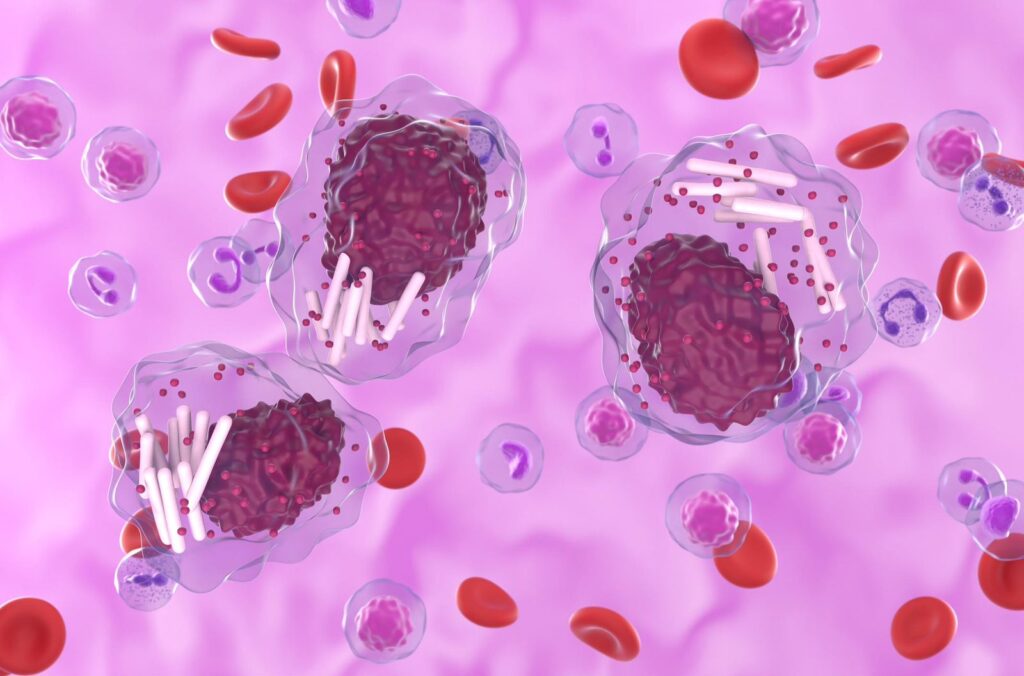
Chronic lymphocytic leukemia (CLL) is among the most common forms of leukemia in adults and there has been a remarkable evolution in clinical treatment of this disease over the past 20 years. One notable progress that has been a breakthrough of recent years is towards directed drugs aimed at inhibiting the biological mechanisms underpinning the cancer cell growth.
Of these, CLL’s BTK inhibitors have been a major development with the potential to give patients superior and safer treatment compared with conventional chemotherapy. Such targeted drugs inhibit certain signals that leukemia cells rely on for survival.
Consequently, BTK inhibitors for CLL have now become a standard first line therapy that is used if the disease recurs after therapy. Learning how these chemotherapies work could help patients and caregivers to understand better the part they have in new-generation CLL treatment.
What is Chronic Lymphocytic Leukemia?
Chronic lymphocytic leukemia is a blood and bone marrow disease that involves B lymphocytes, a subset of white blood cells that fight off infections. In patients with CLL, these B cells become abnormal and accumulate in the blood cells, lymph nodes, and bone marrow.
CLL usually progresses slowly, meaning many patients may live for years with the disease until they require treatment. But as cancer cells increase, they can interrupt the regular functioning of the immune system.
CLL frequently presents with:
- Persistent fatigue
- Swollen lymph nodes
- Frequent infections
- Night sweats
- Unexplained weight loss
Chemotherapy has been the mainstay treatment for CLL in the past. While it could control the disease, it often brought big side effects. When targeted therapies like BTK inhibitors are brought into the field for CLL – these have fundamentally changed the care.
The Role of Bruton’s Tyrosine Kinase (BTK)
This article discusses the mechanism of Bruton’s Tyrosine Kinase (BTK) enzyme and its major role in the signaling pathway of B cells. It is considered an important step in the B-cell receptor (BCR) which regulates the proliferation, survival and activation of B lymphocytes. In these CLL cells, as this pathway becomes overactive, abnormal B cells survive longer than necessary (usually well into late-stage stages of the disease). BTK serves as a pivot point in this mechanism, transmitting signals that facilitate leukemia cell growth and prevent inevitable cell death.
Due to this significant role, BTK has become an important target for drug development. Disruption of the signals on which CLL cell survival is determined by the blocking of BTK activity was able to be achieved. The finding is the basis for BTK inhibitors for CLL that directly inhibit this enzyme and inhibit leukemia cell survival mechanisms.
How BTK Inhibitors Work
BTK inhibitors are focused chemicals to shut down the activity of Bruton’s Tyrosine Kinase enzyme. The signaling pathway that underlies survival for the CLL cell is broken when this enzyme is suppressed.
This work produces several important effects:
- Leukemia takes longer to grow.
- Cancerous cells lose the chance of thriving in places like lymph nodes, which are designed for protection.
- The circulating number of cancer cells in the blood will ultimately decrease.
Unlike conventional chemotherapy, which kills healthy and cancerous cells, BTK inhibitors of CLL work by targeting only the molecular pathway responsible for the disease. This tailored method brings fewer side effects and better control of the disease in the long run.
Typical BTK inhibitors for CLL therapy
Numerous BTK inhibitors have been identified for the treatment of chronic lymphocytic leukemia. These drugs are orally available as the agents commonly used as oral agents and can help achieve long-term control of the disease.
The top BTK inhibitors in general include:
- Ibrutinib
- Acalabrutinib
- Zanubrutinib
- Pirtobrutinib
They vary a bit in their selectivity and side-effect profiles, but they all work by blocking the BTK enzyme. Newer drugs are in the pipeline, both to enhance safety and effectiveness and to combat the resistance that would be found with older treatments. Today, BTK inhibitors in CLL are frequently used as initial therapy for CLL and have become the backbone of contemporary leukemia therapy.
Benefits of BTK Inhibitors for CLL Therapy
BTK inhibitors make a marked difference in the treatment of patients with chronic lymphocytic leukemia. There are many benefits to these therapies as compared to the older approaches.
Targeted Treatment Approach
Because these drugs operate in a single molecular pathway, they can destroy cancer cells more precisely without damaging as many of the healthy ones.
Longer Disease Control
Patients treated with BTK inhibitors for CLL show more favorable progression-free survival than those treated with only chemotherapy according to clinical studies.
Convenient Oral Medication
The majority of BTK inhibitors are delivered daily as tablets and patients can plan their treatment independently without frequent hospital visits.
Ideal for High-Risk Patients
Some genetic mutations in CLL, like TP53 mutations or 17p deletion, can render chemotherapy ineffective. Still BTK inhibitors for CLL have shown good efficacy despite these high-risk patients.
Possible Side Effects
Although BTK inhibitors are better tolerated than chemotherapy in most cases, side effects still occur.
Common side effects include:
- Fatigue.
- Diarrhea.
- Headache.
- More bruising or bleeding.
- High blood pressure.
Heart rhythm changes like atrial fibrillation may happen in some rare cases. There are other side effects that doctors may not want to acknowledge and this aspect of managing patients through treatment is paramount. Newer BTK inhibitors have been developed to minimize these complications, thus retaining their powerful activity against leukemia cells.
BTK is the ultimate inhibitor of CLL
Research about CLL treatments continues to develop. Researchers are now looking at combination therapies that combine BTK inhibitors with additional targeted drugs, from BCL-2 inhibitors to monoclonal antibodies. Those combinations could generate more profound responses and even enable patients to end treatment based on a period of disease control.
Personalized treatment strategies are also being developed to match a patient’s cancer with certain molecular features of the genetic material underlying it. The more detailed and sophisticated research, as time goes on BTK inhibitors for CLL will undoubtedly be one of the most crucial treatment modalities for its illness.
Conclusion
BTK inhibitors are novel therapies that now form the cornerstone of modern chemotherapies to treat chronic lymphocytic leukemia and have led to a revolution with cancer therapy for CLL as well as treatment of cancer with therapies. As cancer cells survive longer within these biological pathways, these therapies provide a much more effective and easier to manage option than chemotherapy.
In practice, BTK inhibitors of CLL continue to be central to the treatment of chronic leukemia due to the ongoing research and availability of new therapies and drugs for cancer progression, with further research and the development of new agents coming soon. Because they can control the disease while still maintaining quality of life, they have become one of the most significant innovations in the treatment of blood cancers.