
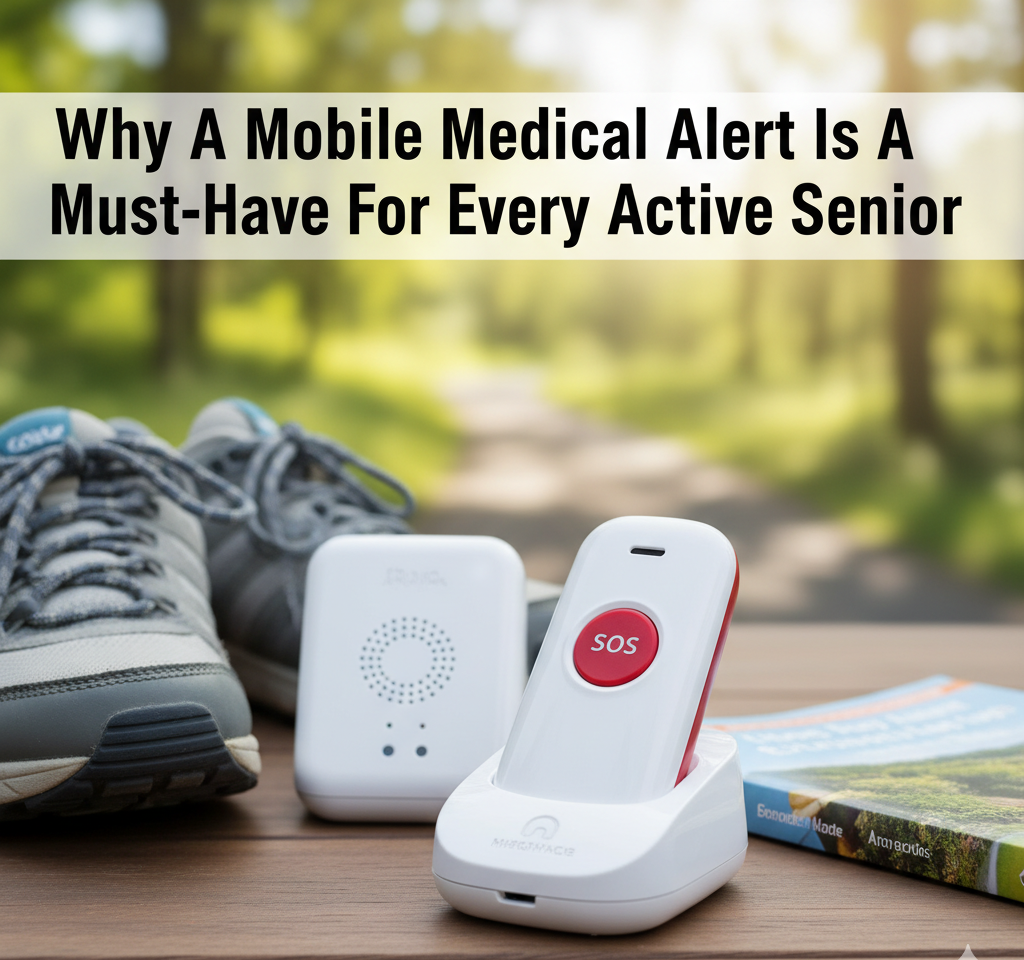
Imagine being two miles into your morning walk when the dizziness hits. What happens next?
For active seniors, this is the worry that lurks in the back of every outing. It’s not just the fall, but being alone when it happens.
Here’s the good news: you don’t have to choose between staying active and staying safe anymore.
Mobile medical alert systems have evolved from clunky emergency devices into sleek, wearable lifelines that are with you everywhere you go —hiking, shopping, gardening —you’re covered. They’re not just safety devices, but freedom devices.
Let’s look at how these medical alert systems work, why they matter, and how one small gadget can mean the difference between a scary moment and a quick rescue.
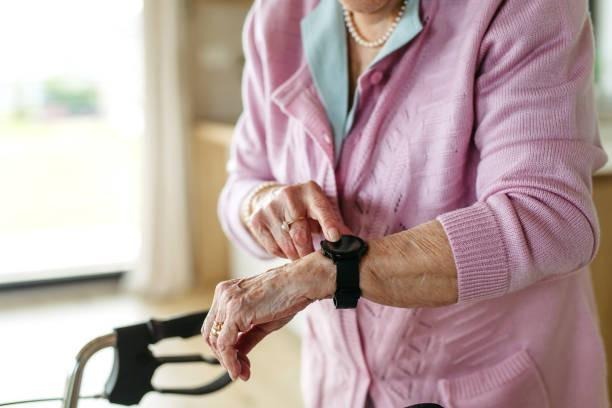
What Is A Mobile Medical Alert?
A mobile medical alert system is a portable safety device that lets you call for help immediately, no matter where you are. This system has both GPS tracking and cellular communication, so you can take it with you wherever you go. This is unlike traditional home-based alert systems that only work when you’re at home.
This is how it works: With just one button press, the device can call an emergency monitoring center or a loved one. Then, operators can find out exactly where you are, communicate with you through the device, and send help. It feels like you always have an angel watching over you.
But wait, there’s more. Some models can even automatically detect falls, connect directly to cell phones, or work with wearables to make things even more comfortable.
Another great news about mobile medical alert systems is that many providers offer discounts to seniors over 55 in Canada, making these alerts cheaper than before. These reductions ensure safety doesn’t have to cost a lot of money, from lower monthly monitoring fees to special seasonal deals.
Why Every Active Senior Needs One
Staying active is one of the best things you can do for your health. But even the healthiest seniors can get sick, fall out of the blue, or have other problems that come with age. That’s when a mobile medical alert system really works well.
1. Independence Without Worry
For many seniors, independence is non-negotiable. You enjoy going for walks in the morning, hanging out with friends, and travelling away for the weekend. With a mobile medical alert, you can live your life without continuously thinking about, “What if something happens?”
Always think of it as your safety partner, but never let it get in your way. You don’t have to stay home to be safe. Help is just a button away, whether you’re out hiking or meeting friends at the park.
2. Instant Access to Help Anywhere
Emergencies can happen anywhere, not just at home. That’s why mobile medical alerts are so vital. You can call for help from anywhere in your country with these gadgets, as they use cellular networks.
Let’s say you visit your grandkids in another city and fall in a store, your mobile alert will connect you with professionals immediately, so you don’t have to wait for someone to notice. In a couple of seconds, your exact situation is revealed, and aid is dispatched. That kind of dependability can save lives.
3. Fall Detection Saves Critical Seconds
Here’s a shocking fact: according to the CDC, one in four seniors falls each year, and many of them can’t reach their phones afterward. Automatic fall detection is one of the main reasons every active senior should consider getting a mobile alert.
The sensors inside can recognize when someone falls and call for help right away, even if you can’t push the button or are unconscious. Those few seconds could mean the difference between a quick recovery and a big problem.
4. Peace of Mind for Family Members
If your loved ones are constantly checking on you, you know they’re worried. However, with a mobile medical alert system, everyone can stop worrying. Connected apps can send alerts to family members and even show them where you are in an emergency.
This system functions as a safety bridge between you and them, letting them know you’re safe. It’s not only for your safety; it’s also for their peace of mind.
5. Designed for Comfort and Simplicity
Medical alert devices don’t seem huge or old-fashioned anymore. Today, mobile alerts are stylish, light, and sleek. Some appear like smartwatches or pendants and work well with what you wear.
Even better, they’re pretty straightforward to use. You don’t have to know how to use technology; one button does everything. Your alert gadget stays close by whether you’re walking your dog or taking a yoga session.
Choosing the Right Mobile Medical Alert
Want to know a secret? Not every medical alert system is the same. Here are some things to think about before choosing one:
- Reliable Connectivity: Choose a device that uses 4G LTE or higher for reliable connectivity.
- Water Resistance: Things may go wrong anywhere, even in the shower.
- Battery Life: A long-lasting battery keeps you safe.
- Customer Service: Pick a provider known for 24/7 availability.
- Affordable Monitoring Plans: Find a good balance between price and service.
Tips for Using Your Mobile Medical Alert Effectively
Keep these guidelines in mind to get the most out of your device:
- Wear it every day, even if you’re only going out for a little while. You never know when an emergency will happen.
- Make charging a part of your nightly routine to keep it charged.
- Check it once a month to make sure it works.
- Make sure your emergency contacts are always up to date.
- Don’t be afraid to use it; it’s there to keep you safe, not to bother others.
- Don’t panic; the idea is to stop things from happening and respond quickly.
Final Thoughts
Here’s the truth: staying active shouldn’t come at the cost of safety. A mobile medical alert system ensures you’re always protected, no matter where life takes you. It empowers you to live boldly, independently, and confidently, knowing that help is only a button away.
For families, it’s peace of mind. For seniors, it’s freedom. Together, that’s priceless.
So, if you haven’t already, consider investing in a mobile medical alert today. It’s not just another gadget — it’s your personal link to safety, confidence, and independence