
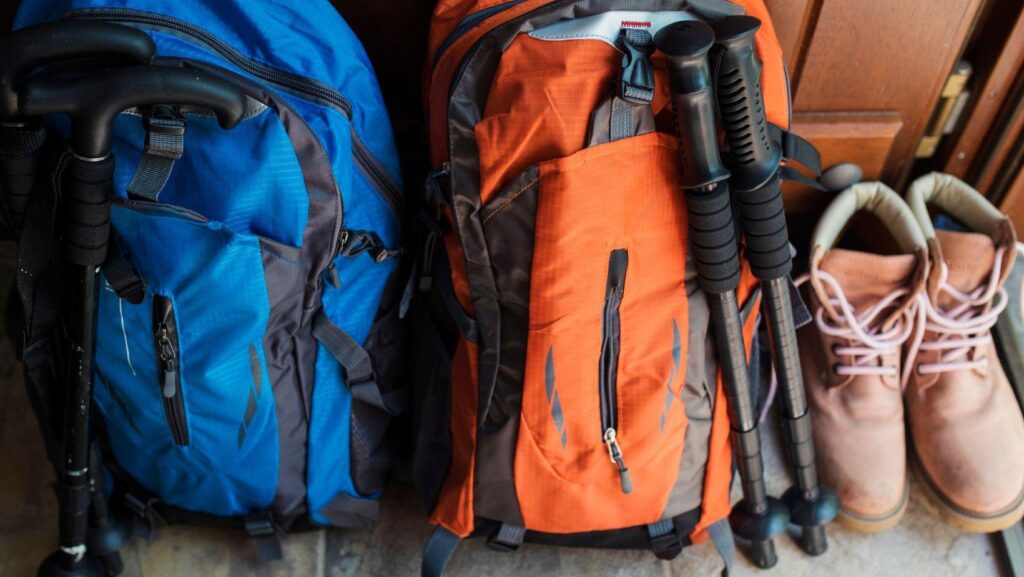
Two days in the wilderness can sound easy on paper. In reality, the gap between a trip that feels refreshing and one that turns into a grind usually comes down to what you packed before you ever stepped onto the trail. Bring too much, and your knees will remind you by the second day. Bring too little, and one stretch of bad weather can make a fun weekend feel like damage control. Finding the middle ground takes practice, and it starts with knowing what truly deserves space in your pack.
Why Base Weight Is the Only Number That Matters
The thinking behind smart packing is straightforward. Base weight discipline, which means the total weight of your pack before food, water, and fuel, is the clearest measure of whether a short trip will feel comfortable or unnecessarily hard.
Most weekend hikers carry more than they actually need. Extra layers, bulky cooking gear, and too many “just in case” items add weight fast. For a two-day trip, a sensible goal is a base weight under 10 pounds. That gives you enough room for consumables without making your pack feel punishing. The point is not to go ultralight for the sake of it. The point is to pack with purpose. Every item should earn its place by doing a clear job.
The 23 Lightweight Essentials
Breaking the list into categories makes it much easier to assess each item without overthinking it.
Shelter and Sleep (5 items)
– Ultralight tent or trekking pole shelter
– Sleeping bag rated to the expected low temperature
– Sleeping pad (insulated foam or inflatable)
– Tent footprint or ground cloth
– Repair tape for emergency fixes
Navigation and Safety (5 items)
– Topographic map of the area
– Compass (never rely solely on a phone)
– Headlamp with spare batteries
– First aid kit (blister care is non-negotiable)
– Emergency whistle and fire starter
Clothing and Layering (5 items)
– Moisture-wicking base layer
– Insulating mid-layer (down or synthetic)
– Waterproof shell jacket
– Merino wool or synthetic hiking socks (two pairs)
– Lightweight gloves and buff
Cooking and Hydration (5 items)
– Compact canister stove
– Titanium pot or mug
– Water filter or purification tablets
– Collapsible water bottle or reservoir
– Two days of calorie-dense trail food
Pack and Extras (3 items)
– 30 to 40 litre lightweight backpack
– Trekking poles (optional but valuable on descents)
– Dry bags or pack liner
If you want to cut weight without compromising safety, a well-structured backpacking checklist is one of the best places to begin, especially if you are still figuring out what really belongs in your pack.
Budget vs. Premium: Where the Difference Actually Shows
Not every piece of gear needs to be expensive. Knowing where quality matters most helps you spend wisely and avoid paying extra for things that work just as well at a lower price.
Worth spending more on:
– Sleeping bag and pad (warmth-to-weight ratio is genuinely better at higher price points)
– Waterproof shell jacket (cheap ones fail in sustained rain)
– Footwear (blisters from poor boots ruin trips faster than anything else)
Budget options perform well:
– Trekking poles (mid-range aluminium poles are nearly as good as carbon)
– Cookware (titanium is lighter but stainless steel is perfectly functional)
– Dry bags (any waterproof bag does the job)
Research on outdoor adventures and mental well-being consistently shows that regular time outside has measurable psychological benefits. That matters when you are deciding whether better gear is worth the cost. If your setup is comfortable and reliable, you are far more likely to get out again, and those benefits build over time.
Planning the Trip Itself
Gear should always be chosen after the route, not before it. Elevation gain, forecasted weather, and terrain all shape what belongs in your bag. A mild coastal trail calls for a very different setup than an alpine route where overnight temperatures hover near freezing.
If you are interested in bigger objectives and more ambitious multi-day outdoor adventure planning, the same basic ideas still apply. Pack intentionally, prepare for the conditions you expect, and resist the urge to carry things with no real purpose.
Weekend hikers also tend to overlook the mental side of preparation. Physical fitness matters, but so does having a simple framework for decision-making: what comes with you, what stays home, and how you will adjust if conditions shift. Interestingly, that kind of clear thinking under uncertainty shows up in other leisure settings too. Someone looking into a non sticky bonus casino uses a similar process by checking the terms first, comparing options carefully, and making a deliberate choice instead of reacting on impulse. In both cases, better outcomes usually come from preparation and clarity.
Making the List Work for Your Trip
The 23 items above are a starting point, not a fixed rule. Conditions change, fitness levels vary, and personal comfort matters. What counts is that every item in your final pack has a reason for being there. Cut the duplicates, test your gear before the trip, and fight the temptation to pack for every unlikely scenario.
A well-packed bag makes the trail feel smoother from the first mile. And that feeling, moving through good country with exactly what you need and nothing extra, is what a weekend hike is supposed to be about.