
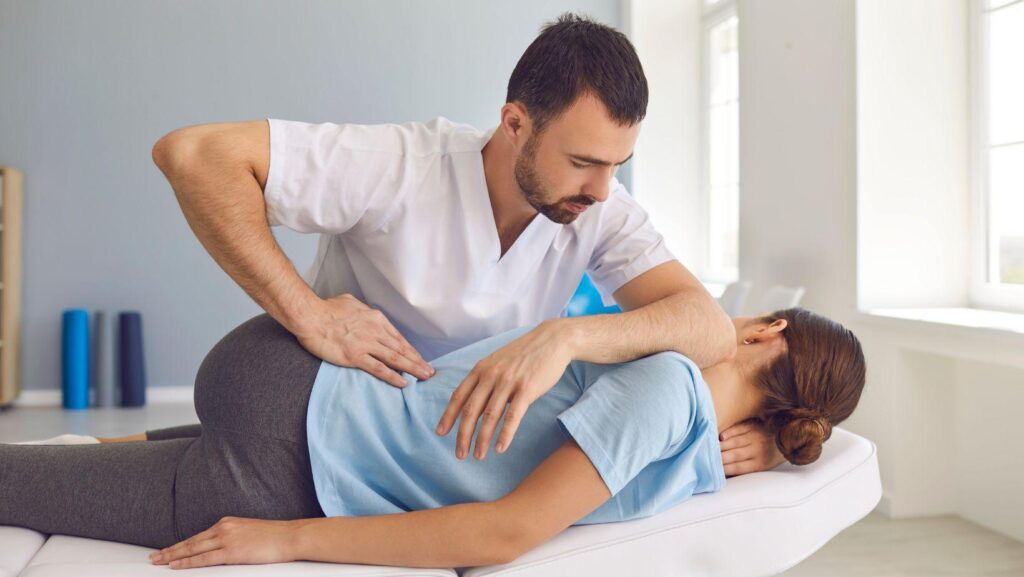
Those seeking structured, evidence-based osteopathic care now have access to more options across Europe. Founded in Aarhus, Denmark in 2014, OsteoNordic has developed into one of the continent’s largest networks of osteopathy clinics. With a focus on manual therapy and a staff of qualified practitioners, OsteoNordic is extending its services to additional regions, including the UK and Norway. This expansion increases access to individualized treatment and current knowledge in musculoskeletal health. Educational programs and advice on maintaining bone and joint health are also available.
Understanding modern osteopathy care
Modern osteopathy addresses a variety of musculoskeletal issues and certain systemic concerns. Individuals may seek assistance for joint pain, muscle tension, or other related conditions. Osteopaths employ manual techniques and provide guidance on lifestyle habits to help support overall well-being. Osteopathy Europe reports that there were approximately 79,300 registered osteopaths across Europe in 2025, practicing in 23 represented countries. Osteopathy Europe reports that there were approximately 79,300 registered osteopaths across Europe in 2025, practicing in 23 represented countries.
OsteoNordic’s approach aligns with international guidelines. Practitioners often emphasize the importance of adequate calcium and vitamin D intake, whether through diet or supplements if necessary. This reflects current clinical advice and aims to help people make informed decisions about their health. Osteopathic treatment is considered safe, with research showing that adverse effects — when they occur — are typically mild and short-lived, such as temporary stiffness or fatigue. Osteopathic treatment is considered safe, with research showing that adverse effects — when they occur — are typically mild and short-lived, such as temporary stiffness or fatigue.
Additional information about OsteoNordic’s practices or clinic locations can be found at Osteonordic. The network includes professionals who participate in ongoing education and skills development. An osteopathic session typically lasts 45 to 60 minutes and combines hands-on assessment with manual techniques such as soft tissue manipulation and mobilisation.
What to consider when choosing an osteopath
When selecting an osteopathy clinic, it can be helpful to look for practitioners with accredited training and recognized qualifications. OsteoNordic employs over 120 professionals who have completed advanced degrees—often at the MSc or doctorate level—in collaboration with established institutions. This supports the application of best practices informed by current research. Evidence supports osteopathy for musculoskeletal pain including lower back pain, neck pain and shoulder discomfort, making it a widely used complementary therapy across Europe.
Personalized treatment is another aspect to consider. Effective osteopaths take time to understand each person’s health history and tailor their care accordingly. A combination of manual therapy and practical lifestyle advice may improve outcomes for some individuals.
Clinics that address a broader range of concerns—including metabolic or hormonal factors—can offer more comprehensive care. An environment that encourages open discussion typically supports a better overall experience.
How expanding clinics benefit local communities
OsteoNordic’s new locations in countries such as the UK and Norway make osteopathic care more accessible for many people. For example, residents in areas like Fulham, London, can visit a local OsteoNordic clinic for specialized services without extensive travel, making it easier to attend regular appointments.
Community benefits may extend beyond treatment alone when clinics offer educational activities as well. Through collaboration with universities and osteopathy schools, OsteoNordic is involved in training future practitioners while supporting ongoing learning among existing staff. This ongoing focus on education helps maintain consistent standards throughout the network.
Expansion enables clinics to serve a wider range of needs—from those recovering from injuries to people managing chronic conditions. As OsteoNordic extends its presence in Europe, more individuals and families have access to personalized care and up-to-date information on bone, joint, and broader health concerns.