
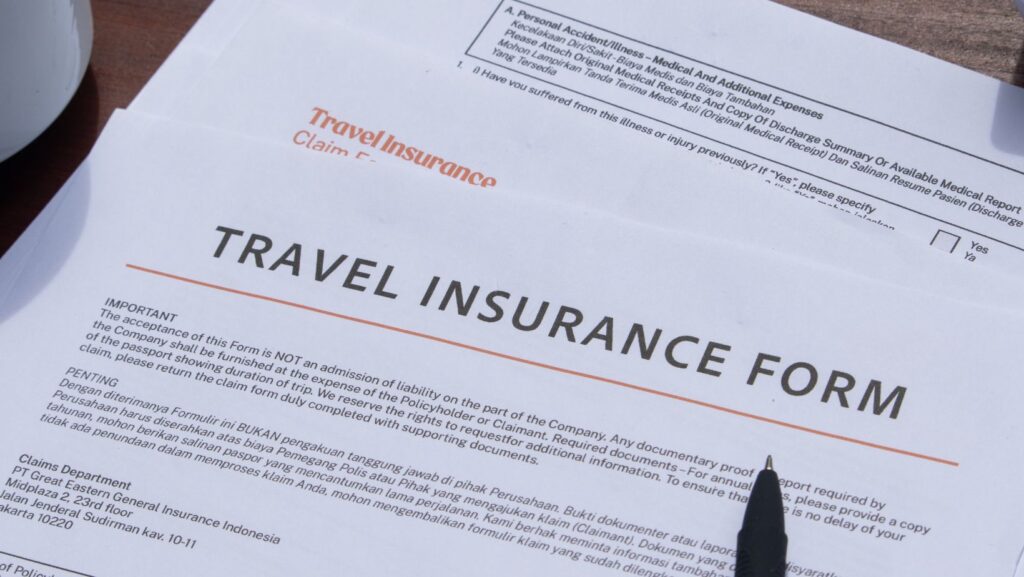
You’re coding away in a Bali cafe, waves crashing nearby. A sudden scooter crash lands you in a local hospital. Without proper coverage, that bill hits $50,000, wiping out your savings. In 2026, digital nomads face tougher rules and more spots to claim, but skipping long-term travel insurance turns adventure into a nightmare. This guide shows why you need it now. We’ll skip basic yearly plans and dive into long-stay options that flex with your global moves.
The Shifting Risk Profile for Long-Term Travelers
Beyond Tourist Coverage: Understanding Long-Stay Policy Nuances
Standard travel insurance caps at 30 to 90 days, fine for quick trips. But for nomads staying six months or more, those limits fail. Long-term policies stretch to a year or beyond, with easy renewals that don’t reset your coverage clock. You avoid gaps when hopping countries, keeping protection steady. Think of it as a safety net that grows with your lifestyle, not one that snaps after vacation mode ends.
These plans often include multi-trip riders, so you can zigzag between spots without reapplying each time. In 2026, with borders opening wider, this flexibility matters. Short policies might deny claims if you overstay, leaving you exposed.
Medical Underwriting for Extended Stays
Insurers see long-haul travelers as higher risk than weekend getters. They ask for full health checks upfront, especially for stays over six months. Pre-existing issues, like asthma, must be declared early to avoid claim denials later. Continuous coverage helps here, as it builds a record that eases future renewals.
For multi-year nomads, underwriters focus on your overall health trends. A gap in insurance could flag you as risky, hiking premiums. Get honest about your history to lock in rates that fit your path.
Geopolitical Volatility and Territory Limitations
World events shift fast, like health scares or border tensions. Policies now list exclusion zones, such as parts of the Middle East or unstable Asian spots, in 2026. Check updates before booking; a sudden advisory could void your coverage mid-stay.
Post-pandemic, insurers tightened rules on high-risk areas. You might need add-ons for flexible activation if things calm down. Always scan the latest lists from sources like the U.S. State Department to stay covered.
The Financial Catastrophe of Uninsured Medical Events Abroad
Analyzing the True Cost of Foreign Healthcare Without Coverage
Medical bills abroad crush budgets quickly. An emergency evacuation from a remote Thai island averages $100,000 in 2026, per industry reports. Hospital stays in pricey spots like Switzerland run $10,000 a day without insurance. These numbers stack up from real cases, showing why skimping hurts.
Add lost work time, and costs double. Nomads earn remotely, so downtime means no pay. One bad event could end your trip and your funds.
Here’s a quick checklist to gauge your risk:
- List the top destinations and their average hospital fees.
- Factor in flight home costs, around $20,000 for medevac.
- Tally gear loss or theft, which adds thousands more. Run these numbers yearly to see your exposure.
Emergency Evacuation vs. Medical Repatriation
Evacuation gets you to the closest good hospital fast. Repatriation flies you home for ongoing care, often costing extra. Basic plans cover evac but skip the ride back, stranding you with bills.
Long-term travel insurance bridges this gap. It pays for both, easing family worries too. Know the difference; one saves your life, the other your recovery.
In 2026, with better global networks, top policies handle seamless handoffs. Don’t settle for half-measures on this front.
The Hidden Costs: Mental Health and Crisis Support
Stress builds on the road, from jet lag to isolation. Long-stay plans now cover therapy sessions via phone, vital in 2026’s mental health focus. Standard insurance ignores this, leaving you to pay $200 per call out of pocket.
Crises like family emergencies abroad add layers. Good coverage includes 24/7 hotlines for advice. It turns panic into plans, keeping your head clear.
Nomads report better focus with these perks. Skip them, and small issues snowball into big drains.
Compliance and Legal Requirements: Insurance as a Visa Mandate
Navigating the Global Digital Nomad Visa Maze
Dozens of countries rolled out nomad visas by 2026, from Europe to Asia. Most demand proof of health insurance for the full stay, often $100,000 minimum coverage. Portugal’s D7 visa, for one, requires policies covering emergencies and repatriation for the whole year.
Spain follows suit, mandating no gaps in protection. Asian hubs like Thailand now check this at entry. Miss it, and your application bounces back.
These rules protect locals but safeguard you too. Match your policy to visa terms exactly.
The Role of Insurance in Residency and Tax Residency Status
Solid coverage proves you’re covered worldwide, helping claim non-resident status in tax spots. Some places, like Estonia, use it to verify your base isn’t local. It shows commitment to global living.
Gaps could complicate filings, delaying refunds. Keep docs handy for audits. This indirect perk smooths your financial moves.
Liability Coverage for Remote Professionals
Your work might spark issues abroad, like a bad client contract. Travel insurance skips professional liability; you need E&O add-ons for that. It covers lawsuits from remote gigs, up to $1 million in some plans.
Freelancers face this risk daily. Basic policies won’t touch work claims. Bolt on liability to shield your career.
In 2026, with remote teams growing, this layer stays key.
Essential Features for the Modern Long-Term Nomad Policy
Flexibility and Coverage Portability in a Multi-Country Lifestyle
You cross borders often, so policies must cover transit days without breaks. Geo-flexible options let you add countries mid-year. This portability fits nomadic life, dodging lapses.
Time zone shifts? No problem with global hotlines. Pick plans that roll over seamlessly. It keeps you moving freely.
Adventure Activities and Remote Work Equipment Protection
Surfing in Portugal or hiking in Vietnam ups your risks. Add riders for sports like scuba; they cover injuries without extra hassle. Verify limits before leaping.
Laptops and drones are your office. Theft protection reimburses up to $5,000, typically. List gear in your policy to make claiming easy.
These extras turn hobbies and tools into worry-free parts of your day.
Direct Billing vs. Upfront Payment and Reimbursement Speed
Direct billing means hospitals charge the insurer directly, sparing your wallet upfront. Reimbursement waits weeks for cash back, stressing budgets. In 2026, fast networks cut waits to days.

Check provider lists for your routes. Top plans process long-stay claims in under 48 hours. It beats scrambling for loans mid-crisis.
Securing Your Future on the Road
In 2026’s busy nomad world, long-term travel insurance stands as your must-have shield. It dodges huge bills, meets visa rules, and fits your roaming style. Treat it as core costs, like your laptop or visa fees.
Key takeaway: Grab full evac and repatriation to handle worst cases. Another: Align coverage length to visa needs for smooth approvals. Last, choose networks for quick, cash-free care.
Ready to gear up? Compare long-stay plans today. Pick one that matches your path, and hit the road with peace. Your next adventure waits, covered.