
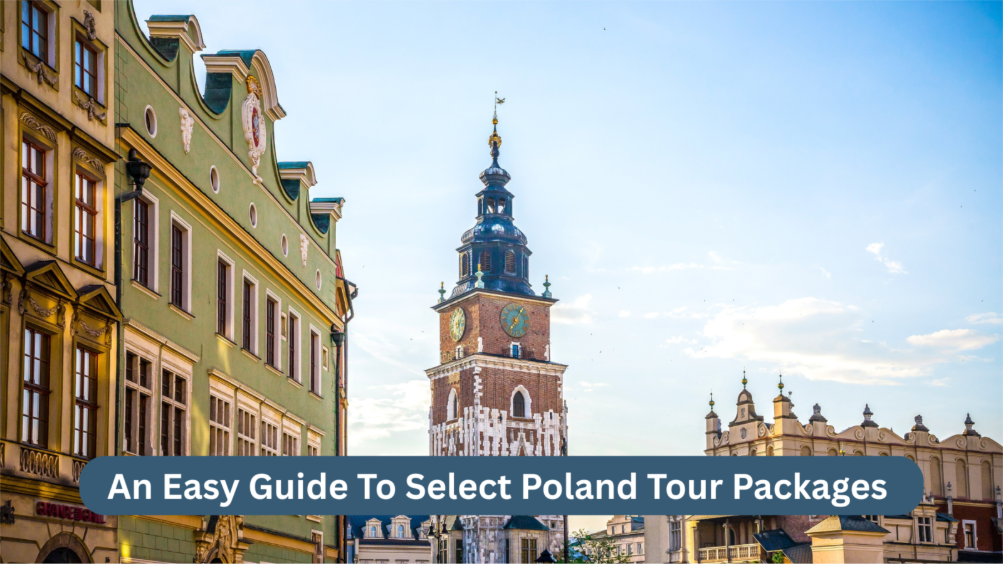
It is easy to get confused when planning a trip to Poland, as you try to balance your budget, interests, and schedule with the right itinerary. Most travelers struggle to determine what is necessary, what is optional, and what really adds value. Fortunately, this stress can be avoided by selecting the appropriate travel package.
With the right mindset and itinerary, you will be able to explore the historic cities, peaceful countryside, and the vibrant culture of Poland without getting confused with things that are not necessary.
In this guide, you’ll learn how to evaluate Poland tour packages with confidence. You will also learn what to check, how to compare the options, and how to prevent the most frequent booking errors. Every section aims to assist you in making smart and informed decisions.
1. Understand Trip Purpose
The first stage of planning involves a focus on the reason why you want to visit Poland. This clarity will enable you to choose the right Poland tour packages that match your personal goals. Whether you’re interested in heritage exploration, nature, escapes, or a food-focused trip, your purpose will influence everything from itinerary length to accommodation type.
In case you are more inclined towards history, sites like Warsaw’s museums or the medieval sights of Krakow can become top priorities. In case you are inspired by natural beauty, you should consider such options as the Tatra Mountains or the Masurian Lake District.
Understanding your primary motivation ensures that every itinerary detail supports a meaningful travel experience.
2. Evaluate Itinerary Structure
A planned itinerary is one that will strike a balance between sightseeing and rest. When reviewing package details, examine how many activities are planned each day. The heavy schedules can make you drained, whereas the light ones might not be worth it.
Find itineraries, which are characterized by both guided tours and free exploration periods, and add-ons. The most satisfied individuals are those travelers who have balanced schedules. This makes pacing an essential factor.
Additionally, also check whether the itinerary covers Poland’s must-visit attractions like Kraków Old Town, Wieliczka Salt Mine, or Gdansk’s historical waterfront. Also, check the smooth transition between the cities, as it saves time, and the overall experience is improved.
3. Compare Accommodation Options
Accommodation largely influences the comfort of trips. Never fail to check whether the package includes stays in hotels, guesthouses, or local guesthouses. Each option creates a different experience, and the right fit depends on your preferences.
The luxury hotels will have additional amenities like spas or sundown views. Local charm and personal service are common with boutique stays. In the meantime, guest houses have the ability to provide an authentic cultural experience.
Most importantly, review the location of each property. Accommodations that are strategically located save on commuting time and allow more time to see what is in the neighborhood. Make sure the package clearly lists distance from major landmarks; this simple detail can make every day more convenient.
4. Checking Inclusions and Exclusions
When choosing any travel package, transparency is crucial. Before making a final decision, always examine what is included in the quoted price. These details may involve meals, internal transfers, attraction tickets, or multilingual guides. Packages that seem cheap in the short run might turn out to be costly after the incorporation of missing necessities.
Similarly, pay attention to exclusions. Such expenses as taxes in the city, visa fees, or optional access to attractions are not immediately apparent. When providers clearly explain inclusions and exclusions, you gain a realistic idea of the total trip cost. The practice eliminates unforeseen costs and ensures smoother financial planning.
Furthermore, check whether the package has travel insurance or if it has made it an optional purchase. Safety coverage is never a waste, particularly when traveling internationally.
5. Examine Group Size and Travel Style
The size of the group is something that has a direct influence on travel experience. Smaller groups tend to be more flexible, have more interaction with the guides, and move more easily through traffic-prone places. Larger groups, on the other hand, can provide lower prices but with less individual care.
Identify whether the package will fit solo travelers, families, couples, or senior travelers. Each demographic may require specific support, such as accessible transport, family-friendly attractions, or child-safe activities.
Consider your preferred travel pace as well. In case you prefer to explore at a gradual pace and have an in-depth look at the city, do not buy packages that will cover all cities in a short period. On the other hand, a fast-paced itinerary might fit better if you like visiting several destinations within a limited period of time.
6. Measure Provider Reliability
Choosing a reputable provider also means having a hassle-free trip throughout the arrival and departure processes. Start with the evaluation of customer ratings and reviews on various platforms. Find remarks regarding punctuality, quality of guides, and promptness.
Quality providers are usually characterized by good communication policies, transparent prices, and clear-cut cancellation rules. They also collaborate with licensed guides and transportation partners.
Prior to booking, review the fact that the provider has 24/7 support throughout the trip. A fast response to emergencies or unforeseen events plays a significant role in peace of mind.
Conclusion
It is simple to choose the appropriate package when you know what you aim to accomplish, consider itineraries, and check what is included in it, as well as the quality of the provider. When done thoughtfully, the process helps you avoid confusion and enjoy a well-planned, enriching getaway.
Use this knowledge to choose a package that is appropriate to your expectations and style of travel. The best place to begin your Poland adventure is with a plan that is informed, so the next thing is to stop contemplating and begin planning.