
Arlington still smells like a World Cup hangover. Sixteen matches. A semifinal. Crowds that turned the parking lots around AT&T Stadium into their own small cities for weeks this summer. Houston caught its share of the wave too, with NRG Stadium hosting group-stage nights that packed downtown bars until 2 a.m.
Now the tournament’s gone home and Texas is left holding the receipts. Hotels that quietly doubled their August rates. Rental car counters that ran dry on SUVs. And a road-trip circuit between three cities that suddenly feels less like a football pilgrimage and more like a genuine long weekend itinerary. Dallas, Houston, Austin. Three stadiums, three downtown scenes, one long stretch of I-45 and Highway 71 connecting them.
This isn’t a betting guide. It’s a driving guide, dressed for stadium season, built for people who want to see three cities without burning three vacation days getting between them.
The Route: Why Texas Works as a Triangle, Not a Straight Line
Most first-timers try to do Dallas to Houston to Austin in a straight shot. Don’t. The smarter loop treats it as a triangle, because it is one, and HowLongDrive’s Texas Triangle guide lays out the math clearly: Dallas to Austin runs about three hours, Austin to Houston closer to two and a half, and Houston back up to Dallas around four. Loop it and you avoid backtracking on the same highway twice.
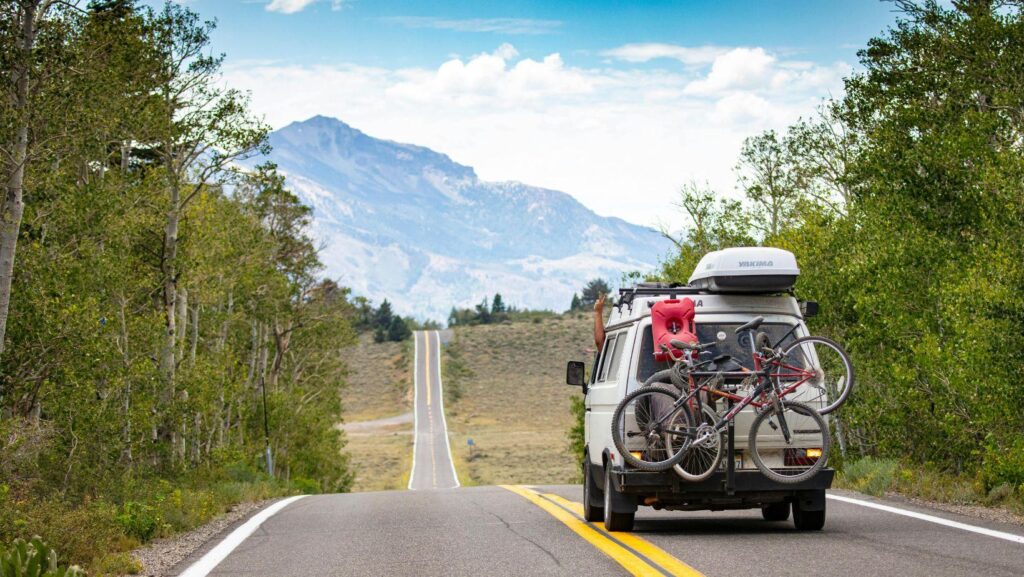
Three hours. That’s the number that matters. It’s short enough to leave after a late breakfast and still make a 1 p.m. Kickoff or a stadium tour slot. Long enough that you want a real playlist, not a fifteen-minute podcast.
Here’s the thing about the triangle shape: it also means you’re never more than half a day from a fourth stop, San Antonio, if someone in your group insists. Most groups don’t. Three cities in four days is already a lot of parking garages.
After the Final Whistle: What Actually Fills the Evening
Game days end around 10 or 10:30 most nights. The stadium empties, the shuttle lines are brutal, and by the time you’re back at the hotel it’s closer to midnight than dinner. That gap, stadium exit to actual bedtime, is longer than people plan for. Two, sometimes three hours where the day’s entertainment is technically over but nobody in the group is ready to sleep.
Groups fill it differently now than they did five years ago. Some hit the hotel bar. Some scroll through highlights they already watched live. And a growing number pull up texas sports betting sites on their phone, checking lines for whatever’s playing next on the road trip itinerary, next city’s game, next weekend’s matchup, without needing to find a physical sportsbook that doesn’t exist in this state anyway.
It’s a small shift but a real one. The second screen used to just mean Twitter and group texts during the game. Now it stretches into the after-hours too, filling that dead zone between stadium exit and hotel checkout with something more interactive than replaying the same three highlight clips.
Gambling involves risk. Anyone using betting apps on the road should only wager what they can afford to lose, and stick to platforms that are actually legal for the state they’re currently standing in.
Dallas: AT&T Stadium and the Arlington Sprawl
AT&T Stadium is the anchor, but Arlington itself is built for a stadium weekend in a way few American cities manage. Globe Life Field sits close enough to walk. Texas Live! fills the gap between the two with enough bars and patio space that a rained-out afternoon barely registers.
The stadium tour itself is worth the two hours if you’ve never done it. CityPASS’s stadium tour breakdown covers the star gazing deck and the field-level access that most first-timers underestimate, and it’s the kind of thing that fills a slow Friday afternoon before a Saturday game far better than another mall trip.
Parking runs $40 to $60 depending on the lot and how close you want to be. Book ahead. Arlington traffic on a game night does not care about your GPS’s optimism.
Houston: NRG Stadium’s Tailgate Culture Runs Deeper Than You’d Guess
Houston plays this differently than Dallas. Less glass and spectacle, more genuine tailgate tradition, the kind with folding tables that have survived a decade of Sundays. The Visit Houston Texas game day guide breaks down the lot numbers worth targeting and which gates clear fastest after the final whistle, which matters more than it sounds like it should when you’re trying to beat 70,000 people to the highway.
NRG’s food situation deserves a mention too. Brisket sandwiches that would embarrass most stadium concessions elsewhere in the country. Bring cash. Some of the better vendors still don’t take cards.
The downtown scene afterward runs later here than in Dallas. Midtown stays loud past midnight on a game weekend, which works out fine if your hotel isn’t a forty-minute Uber away.
Austin: Smaller Stadium, Bigger Personality
Austin doesn’t have the NFL scale of the other two, but the city compensates with sheer density of things to do within walking distance of downtown. Circuit of the Americas draws its own crowd on race weekends, and Formula 1’s own Austin destination guide is a genuinely useful reference even if you’re there for a different sport entirely. It covers the food truck parks and live music venues that fill the same evening gap discussed earlier, just with a fiddle instead of a highlight reel.
Six Street gets the tourist traffic. Rainey Street tends to be the better call if your group actually wants to sit down.
What Changed This Year, and Why It Matters for Planning
Fan behavior around live sports has shifted in a way that’s easy to feel but harder to pin down until you see the numbers. A GWI report on 2025 sports viewership trends found that a majority of fans, particularly younger ones, now treat a second device as standard equipment during live games, not an occasional habit. That trend hasn’t reversed. If anything, road trips amplify it, because the downtime between activities is longer and less structured than a normal night at home.
Plan around that reality rather than against it. Build in slack time between the stadium and dinner reservations. Don’t assume everyone in the group wants to be doing the exact same thing at 9 p.m. On a Saturday.
Budgeting the Trip: Where the Money Actually Goes
Rental cars spike hardest around major stadium weekends, sometimes 20 to 30 percent over a normal week according to several rental counters spearstate has checked in Arlington and Houston this season. Book the car before the hotel if you’re tight on budget. Hotels have more last-minute inventory than SUVs do.
Gas, tolls, and stadium parking add up faster than people expect on a three-city loop. Figure $150 to $200 in driving costs alone for the full triangle, before a single ticket or meal.
Frequently Asked Questions
How long does the full Dallas-Houston-Austin loop take? Budget four days minimum if you want a full stadium day in each city plus real downtime. Three days is doable but rushed, especially with Houston’s traffic swallowing an extra hour on either end of a game day.
Is it cheaper to fly between the three cities instead of driving? Rarely. Regional flights within Texas often cost more than gas and tolls combined once you factor in airport parking and rental pickup fees on the other end. Driving also skips TSA lines entirely.
What’s the best month for a Texas stadium road trip? Late September through November hits the sweet spot. Football season is in full swing, the summer heat has broken, and hotel rates in Arlington and Houston drop from their World Cup-era peak.
Do all three stadiums require the same parking app or system? No. AT&T Stadium, NRG Stadium, and the Austin venues each run separate parking reservation systems. Book each one separately at least a week out, since day-of lots fill fast on marquee weekends.
Is Wi-Fi or cell service reliable inside these stadiums for streaming or second-screen use? Mostly, yes. AT&T Stadium and NRG both run dedicated stadium networks built for high-density crowds, though speeds can lag during peak moments like halftime when everyone reaches for their phone at once.
The triangle route rewards people who treat the drive as part of the trip instead of dead time to rush through. Three stadiums, three very different downtown personalities, and just enough highway between them to reset before the next one. Pack the playlist accordingly.